
From Weeding to Wildlife – More Than Just a Garden
Hello garden enthusiasts, my name is Charles Rafter and I am going to be a 4th year Botany student at Trinity College Dublin who is fortunate enough to have received a Cathcart Schuler Internship at Trinity College Botanic Garden.
I was delighted to begin my internship at the start of June and eager to experience life behind the scenes in a working botanic garden. Having visited the gardens before, I was familiar with the collections, but in my first two weeks I quickly discovered there is far more to the garden than meets the eye. It is a place with many roles where horticulture, conservation, education and scientific research all come together as one.
Practical Horticulture
A large part of my time has been spent learning practical horticultural skills using several different gardening tools. These have included weeding, edging beds, clearing pathways and removing old hedge stumps with much of this work helping to prepare the garden for the Rathmines Initiative Open Day. I have also been introduced to the principles of pruning and learned that good pruning should make the plant not look as if it’s been pruned. Instead, the aim is to maintain the natural form of the plant while improving its health and appearance, reducing the risk of any potential pathogens.
Wildlife Observations
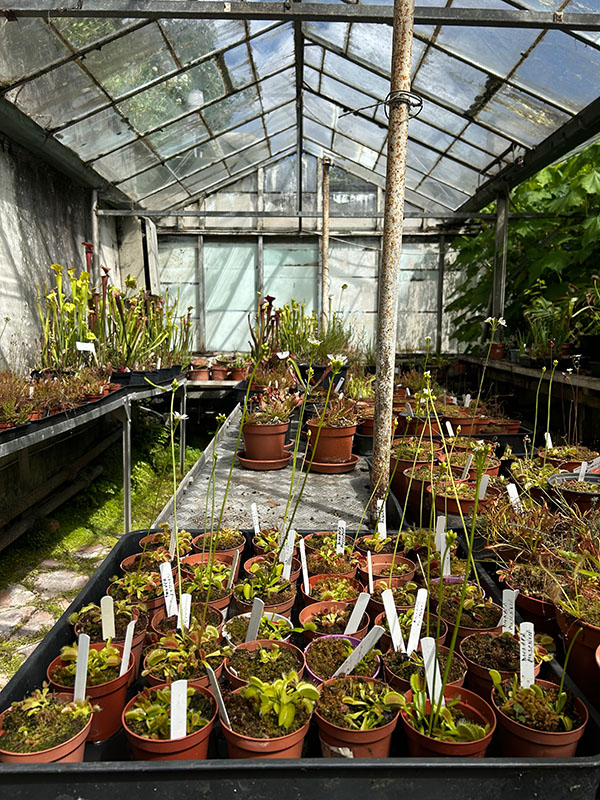
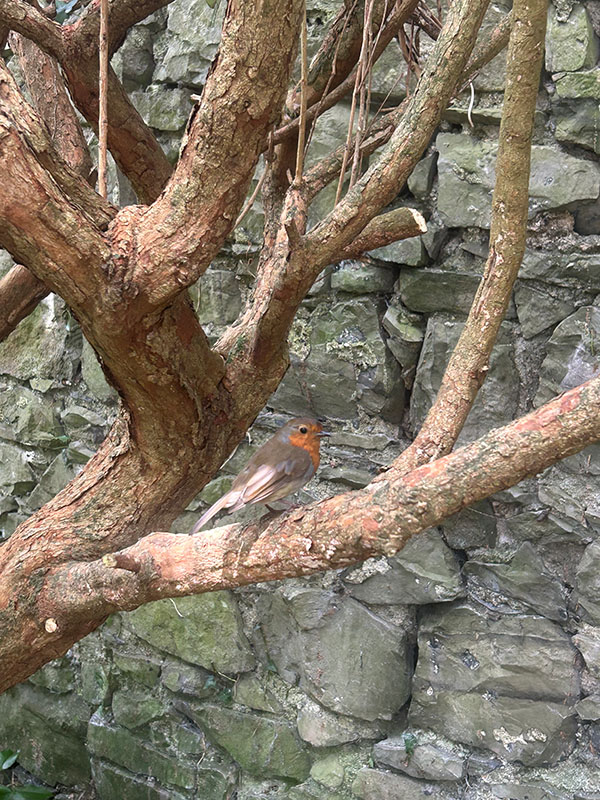
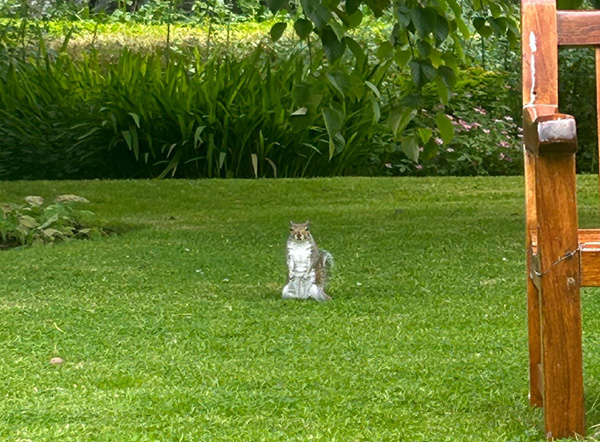
An area of the garden I found interesting thus far has been the Long House, which contains a diverse collection of plants including ferns, cacti and carnivorous plants. I was particularly fascinated by the Irish sundews (Drosera spp.) and the Venus Flytraps (Dionaea muscipula). While the sundews capture insects using sticky glandular hairs, Venus flytraps use highly specialised trap leaves that snap shut when triggered by unsuspecting prey. Learning how these plants survive in nutrient-poor habitats such as boglands and how carefully they must be managed has been a highlight of the internship so far. The garden also supports wildlife, and I have regularly spotted frogs around the ponds as well as watching squirrels chase one another through the arboretum.
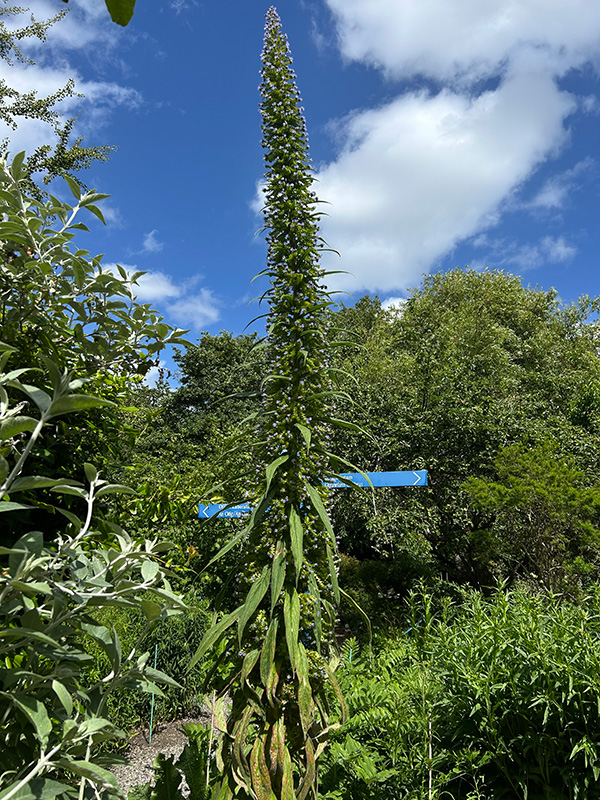
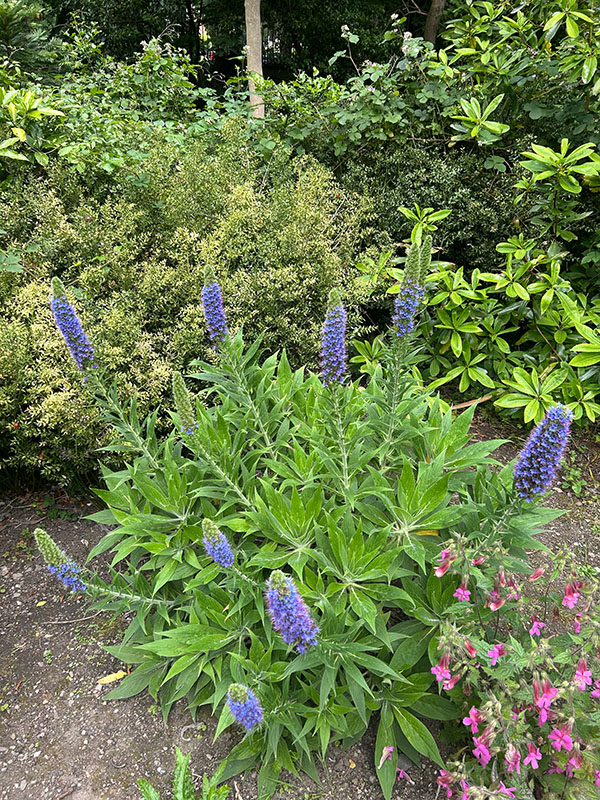
One plant that particularly caught my attention was the towering Echium pininana from the Canary Islands, with its striking blue flowers and unique structure, covered in bees throughout the day. Seeing so much pollinator activity on a single plant highlighted the important role botanic gardens can play in supporting biodiversity. I was also interested to learn about several smaller Echium specimens growing in the West Arboretum. Although much smaller than the flowering giant, these plants are equally impressive and demonstrate the species’ remarkable life cycle. Once an Echium flowers and sets seed it dies, meaning most of these single-spiked specimens will not continue to grow larger. However, their prolific seed production helps ensure future generations of these beautiful plants within the garden.
Plant Health and Collections
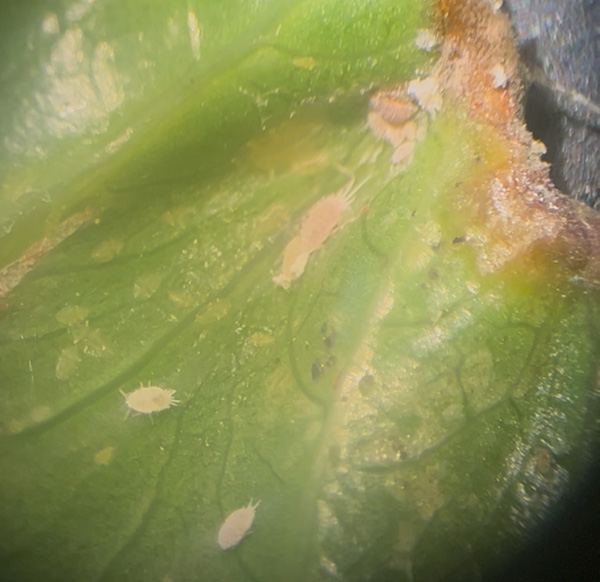
The Stove and Cycad houses have provided a different perspective on plant care. While inspecting leaves and learning about plant health, I encountered mealybugs, scale insects and other glasshouse pests. Looking at these insects under magnification revealed a hidden side of horticulture that most visitors never see. I was particularly interested to learn that the garden relies on biological control rather than chemical pesticides, recently using tiny parasitic wasps to help control mealybug populations in the Cycad house. Maintaining healthy populations of these beneficial insects is an important part of sustainable plant management and showed me how ecological interactions can be used to protect valuable plant collections. Another aspect of the garden that I found particularly interesting was seeing the accession records. Every plant in a botanic garden has a story, whether it arrived through seed collection, exchange with another garden or propagation on site. The accession books help preserve this information and ensure that the collections remain valuable for research,conservation and education.

Open Day and Conservation
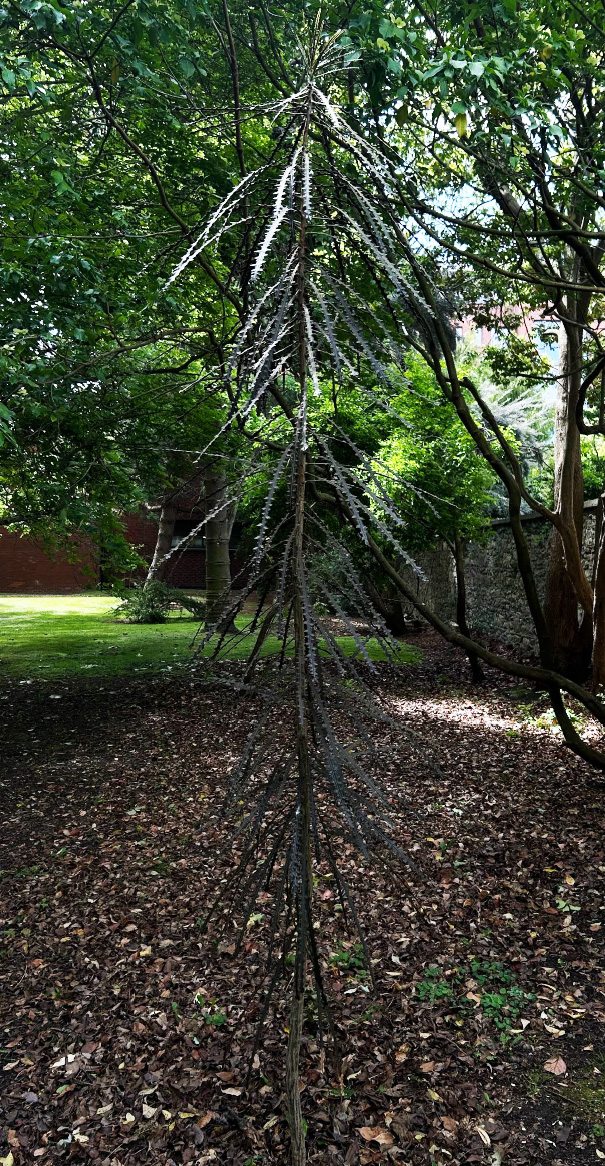
One of the highlights of my first two weeks was taking part in the garden’s open day in collaboration with the Rathmines Initiative. Preparing to guide visitors encouraged me to learn more about the garden’s collections, and I found that teaching others helped reinforce my own understanding. One intriguing species that I spoke about to visitors was the Pseudopanax ferox, a tree from New Zealand whose unusual saw-like juvenile leaves are thought to have evolved as protection against the now extinct moa, a giant flightless bird. It is fascinating to learn how plants can preserve evidence of ancient ecological relationships.
Many of the garden enthusiasts I spoke with during this Rathmines Open Gardens event would be interested to hear about plans for a heritage hedge similar to the conservation hedge at Royal Botanic Garden Edinburgh, whose collection of native Taxus (yew) represents the genetic diversity of yew plants across Europe and the British Isles. This is an important aspect of plant conservation, as plants from different populations growing under different conditions (local adaptation), may possess different traits, for example better resistance to pests and diseases, or drought, or having different morphology. This is particularly relevant given the damage that caterpillars such as the box tree moth (Cydalima perspectalis) can cause to hedging plants. Learning about the project showed me that conservation is not only about protecting species, but also about preserving the genetic diversity that helps plants adapt to future environmental challenges.
A Place of Tranquillity
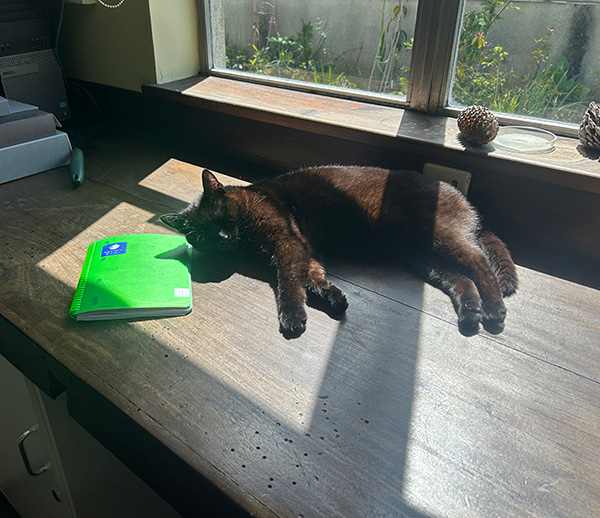
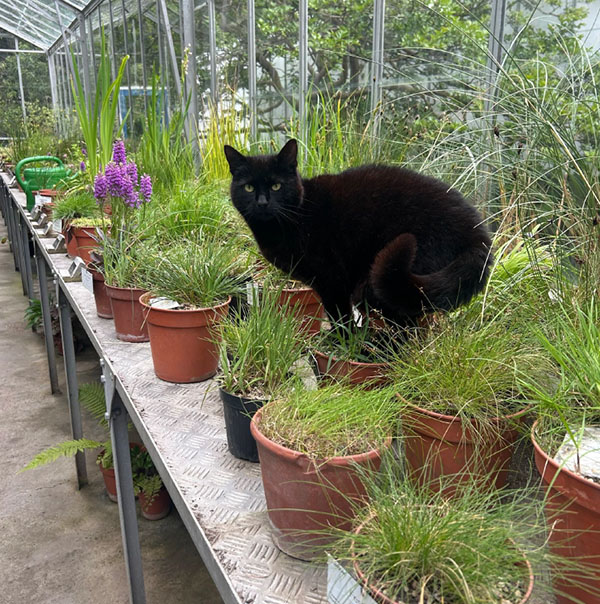
Beyond the horticultural and scientific aspects of the garden, I have also come to appreciate the garden as a place of tranquillity. During breaks, I often spend time on the benches overlooking the lawns and collections. Taking time to appreciate the scents, sounds and atmosphere of the garden has reminded me of the positive impact that green spaces can have on mental wellbeing, both for those who work in them and for visitors. The garden is full of unexpected encounters, from frogs in the Long House to Missy the gardens cat stopping by to inspect my notebook during a break. I am looking forward to continuing to learn from the garden’s collections and the dedicated staff who care for them.