

Next time you visit a bakery, spare a thought for your receipt. Most likely, you will discard it into the first recycling bin you pass. A longer-lived receipt may linger in your shopping bag for a few weeks. It will not survive for two centuries, and who would read it if it did?
So how did a French bakery receipt written at the turn of the 18th century make its way to the School of Natural Sciences in Trinity College Dublin? And what does this have to do with South African orchids?
The receipt is now housed in Trinity College Dublin Herbarium; a collection of around half a million collections assembled from around the world. Each specimen is mounted on paper, usually archival cardboard but occasionally whatever paper the botanist making the specimen had to hand.
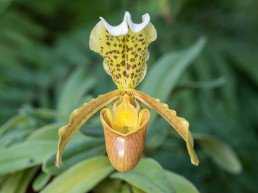
In 1812, somewhere in France, an unknown botanist pressed a specimen. It was an orchid, grown in France but brought from the Cape of Good Hope in South Africa. The specimen today has the tantalising initials “T.E.T.”, probably referring to the unknown botanist that collected it. We know even less of the botanist that pressed the orchid, except that they had to hand an old bread receipt and used this to mount the specimen.
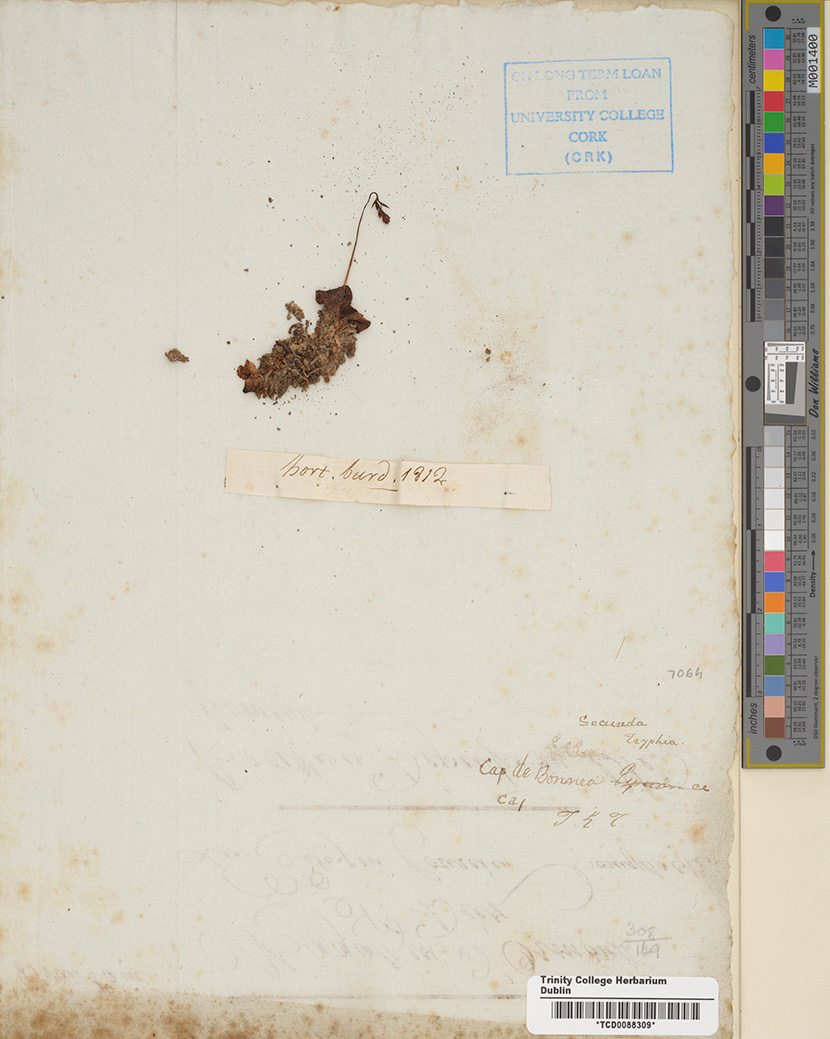
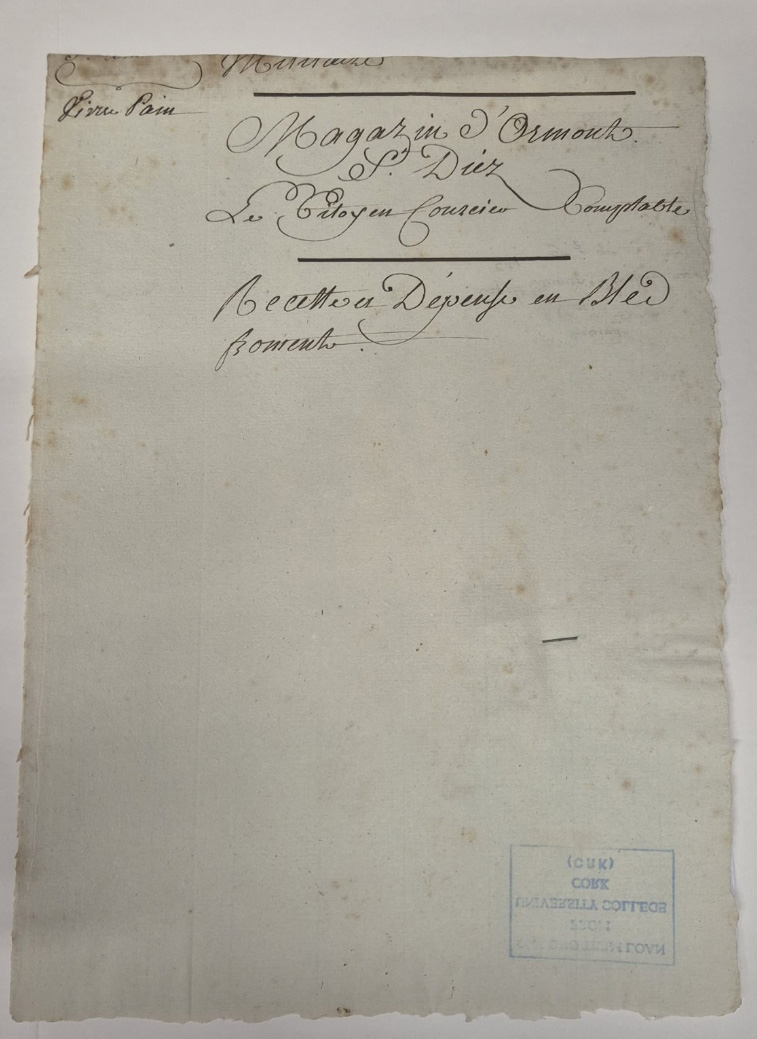
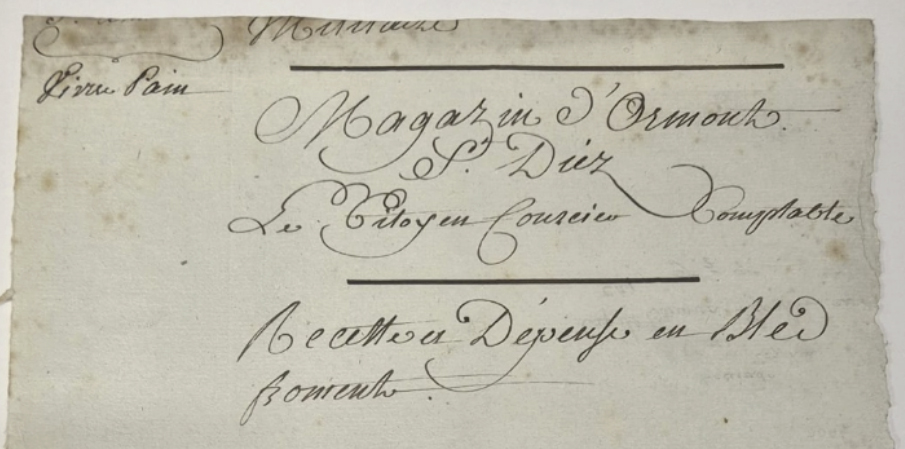
The receipt itself is perhaps more accurately thought of as a page of a bakery account book, a “Livre Pain”. It is a scrap of a page that detailed purchases from “Le Citoyen Fourier Comptable” of Ormant Granary, almost certainly in Saint-Dié-des-Vosges, close to modern Strasbourg. That Fourier styled himself “Citoyen” is striking. It is a moniker steeped in revolutionary symbolism, a badge of a citizen equal under and part of the republic. Its use was a common mark of revolutionary zeal in the decade following 1789, diminishing as a republic of citizens found itself ruled by an emperor.
A bread receipt is perhaps not the most glamorous of objects, but it is arguably bread and not kings that caused the revolution. While Marie Antoinette did not say “let them eat cake”, a decade of poor harvests doubled grain prices, inflation that led to riots, riots that were the prelude to revolts, and revolts that became revolution. This history lives on in Trinity College Dublin Herbarium.
Peter Moonlight, Curator of Trinity College Dublin Herbarium
Madison Windsor, Herbarium Digitisation Coordinator
This story was uncovered as part of the project Transforming Trinity’s Herbarium, funded by the National Parks and Wildlife Service.